Pitched Roofing Derby — Expert Roof Repairs, Re-Roofing & New Installations
TEL: 01332-327296
At Derby House Extensions, we carry out pitched roofing work across Derby and the wider Derbyshire area. Whether you need a few slipped tiles sorting, a full re-roof on an ageing semi, or a brand-new pitched roof on a house extension, our experienced local team handles it all — from first survey through to final inspection.
Pitched roofing is the most common roof type in Derby. You'll find it on Victorian terraces in Darley Abbey, post-war semis in Sinfin and Normanton, and modern new-builds in Chellaston and Mickleover. We've worked on all of them.
Our team covers all materials and roof types.
Free quote — call Derby House Extensions 01332 327296
What Is a Pitched Roof?
A pitched roof is any roof with a sloped surface — typically two angled sides meeting at a central ridge. The slope sheds rainwater quickly, resists wind better than a flat roof, and allows for loft space underneath.
In Derby, most homes have a pitch angle of between 30 and 45 degrees. This range suits the materials most commonly used here — concrete tiles, clay tiles, and natural slate — and performs well in Derbyshire's changeable, often wet climate.
There are several styles of pitched roof you'll see across Derby:
- Gable roofs — two slopes meeting at a ridge; the most common across Derby's housing estates
- Hip roofs — slopes on all four sides; common on detached and semi-detached homes in areas like Littleover and Allestree
- Lean-to roofs — a single slope, often used on extensions and outbuildings
- Mansard roofs — steeper lower slopes and flatter upper section; rarer but seen on some period properties
Signs Your Derby Pitched Roof Needs Attention
This is the question we get asked most often, and the honest answer depends on three things: the age of your roof, the extent of the damage, and the condition of the felt underlayer underneath.
When a Repair Makes Sense
- Damage is limited to a small number of tiles, slates, or a section of flashing
- The roof is under 30 years old and in generally sound condition
- The felt underlayer is intact and working correctly
- Ridge and verge mortar is sound across most of the roof
When Full Replacement Is the Better Choice
- Concrete tiles have become porous across large areas — common on post-war Derby estates, particularly in areas like Sinfin, Normanton and Chaddesden
- The felt underlayer has failed or is at end of life — especially relevant on Derby properties built in the 1950s, 60s and 70s, where original bitumen felt is now well past its expected lifespan
- The roof is over 40 years old and repairs are becoming regular
- Widespread ridge or verge mortar failure is present across the whole roof structure
- You can see daylight through the roof deck from inside the loft
Repeated patch repairs on an old roof can cost more over a few years than a single well-executed replacement. We'll always give you a straight answer about which route makes financial sense — and we'll explain exactly why.
Concrete Tiles
The most widely used material across Derby's post-war housing stock. Cost-effective, available in a wide range of profiles and colours, and well-suited to standard pitches across Derby estates. Lifespan of 40–60 years with good maintenance.
Clay Tiles
A traditional choice that suits older and period Derby properties well. Clay holds colour far better than concrete over time and carries a longer lifespan of 75 years or more. Often preferred in conservation-sensitive areas of Derby where planners pay attention to appearance.
Natural Slate
The premium option — and the longest-lasting. With a lifespan that can exceed 100 years when properly fixed, natural slate is common on Victorian terraces in Darley Abbey and around Derby's Cathedral Quarter. It adds significant character and long-term value.
Dry Ridge and Dry Verge Systems
Traditional mortar on ridge and verge tiles cracks and loosens over time — and faster in Derbyshire's climate than in milder parts of the country. Freeze-thaw cycles here are more frequent and more severe. Dry ridge and dry verge systems use mechanical fixings instead of mortar. They last longer, need less maintenance, and are now the recommended approach on any re-roof. We fit them as standard where appropriate.
Roof Felt Underlays (Breathable Membranes)
All new pitched roofs and re-roofs now require a breathable membrane underlayer, not old-style bitumen felt. A breathable membrane allows moisture vapour to escape from the roof space while keeping liquid water out. This prevents condensation build-up in the loft and extends the life of the roof structure underneath.
What Happens During a Pitched Roof Replacement in Derby
If you've never had a roof replaced before, it's natural to wonder what to expect. Most Derby re-roofing jobs run to a clear, predictable schedule. You don't need to leave your home, and the process is more straightforward than many homeowners expect.
Here's how a typical pitched roof replacement works when you book with us:
- Free roof survey and written quotation — we inspect the roof, check the underlayer, assess the structure, and provide a clear written quote with no hidden costs
- Scaffolding erected — safe access is required for all roofing work; we manage this as part of the project
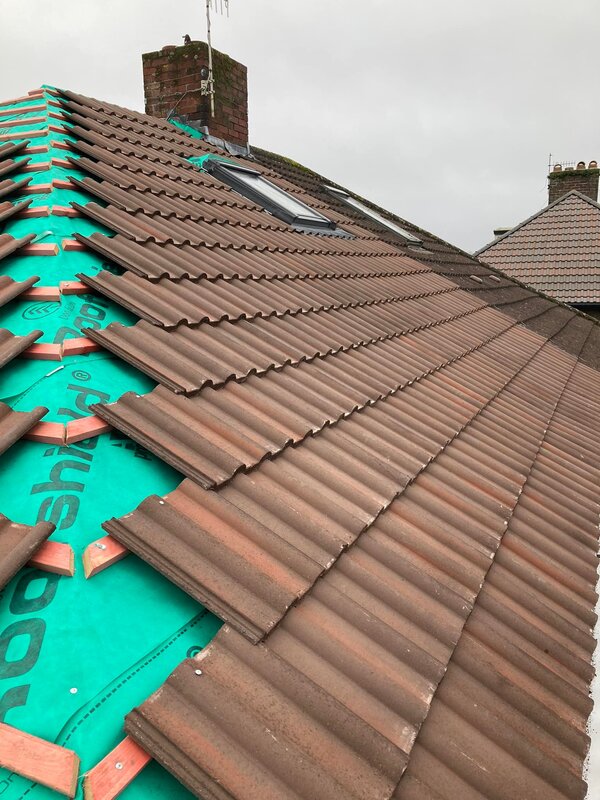
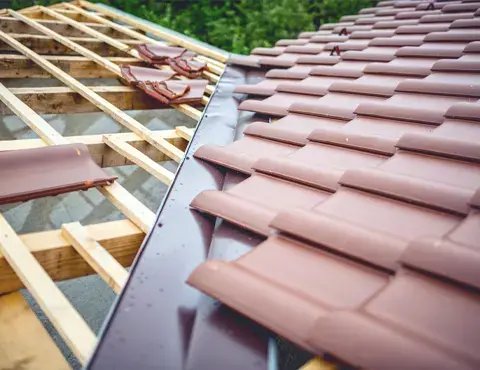
- Existing tiles and battens stripped — the old covering comes off completely, exposing the roof structure beneath
- Structural check and underlayer replaced — any damaged timbers are addressed; old felt is replaced with a modern breathable membrane
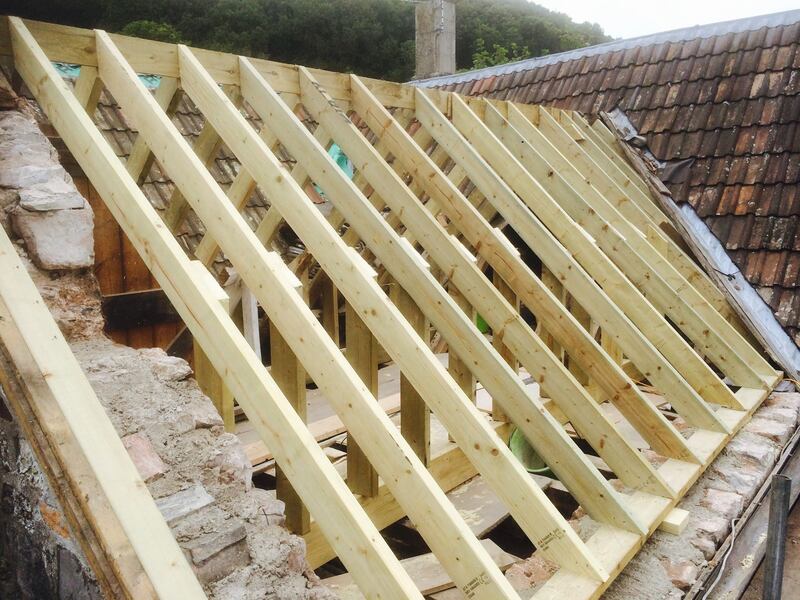
- New battens fixed — correctly spaced and fastened to carry the new tile or slate load
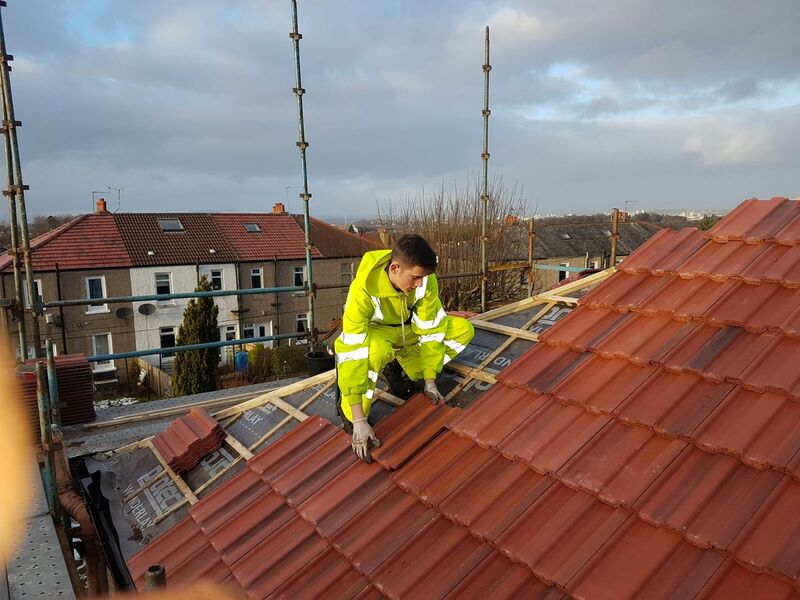
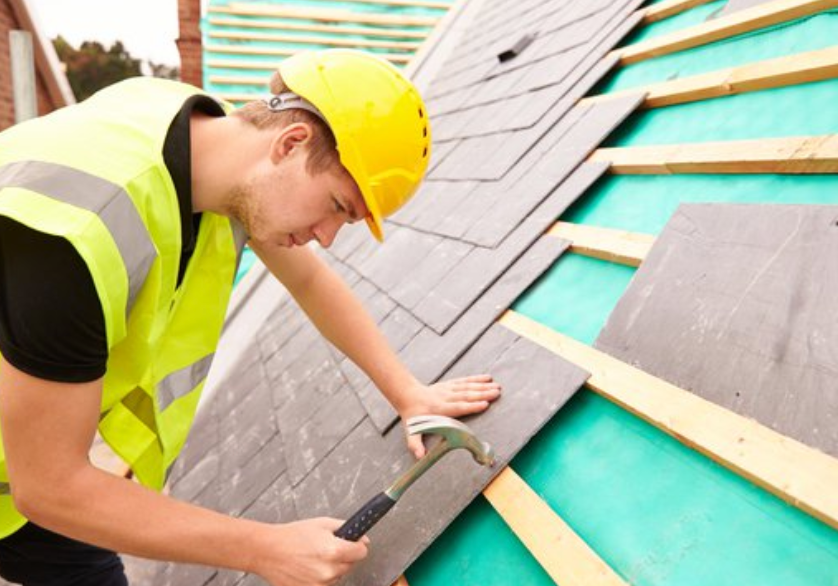
- Tiles or slates laid — from eaves to ridge, following the correct overlap for your chosen material and pitch angle
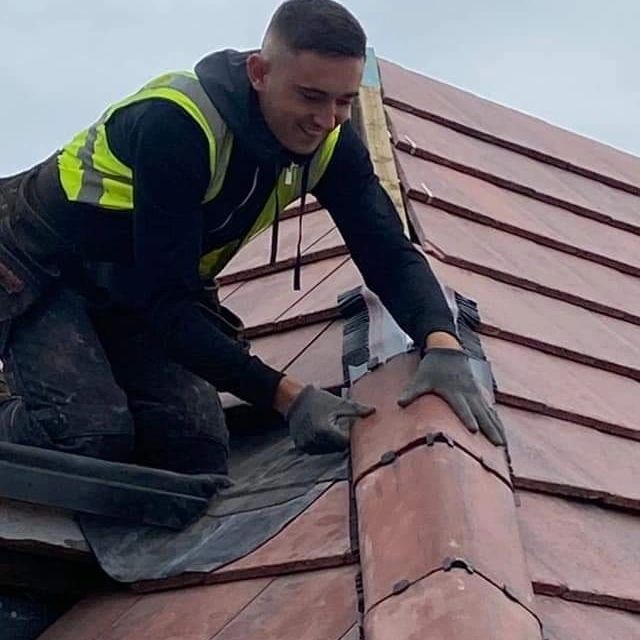
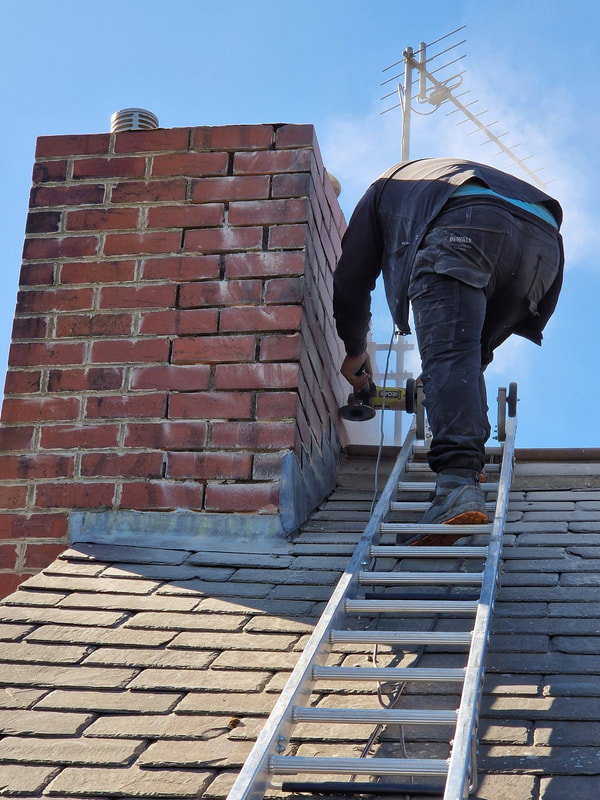
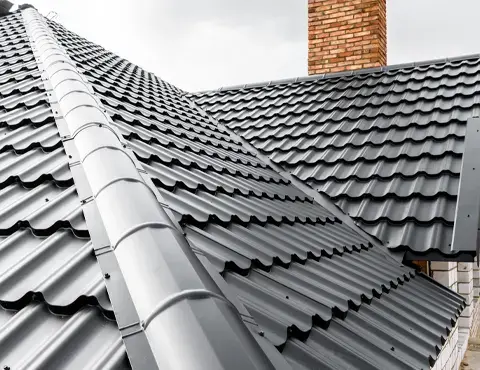
- Ridge, verges, flashings and chimneys completed — all junction points sealed and secured; dry ridge or mortar applied as specified
- Site cleared and final inspection carried out — all waste removed before scaffolding comes down
Most Derby semi-detached re-roofs are completed in three to five working days. Where scaffolding is already in place, it often makes sense to address fascias, soffits, and guttering at the same time — we can advise on this at survey stage.
Building Regulations & Planning Permission for Pitched Roofing in Derby
Getting the legal side right matters — both for the safety of the work and for your property records if you come to sell.
Do You Need Planning Permission?
- A like-for-like roof replacement does not need planning permission in most Derby properties
- Changing the shape or height of the roof does require permission — for example, converting a flat roof to a pitched roof, or raising the ridge line
- Properties in Derby's conservation areas or on the listed buildings register face additional restrictions — always check with Derby City Council Planning before work starts
- A Lawful Development Certificate provides formal written confirmation your work is lawful — worth obtaining for your property records
Building Regulations — What Applies
- All structural roofing work requires Building Regulations sign-off
- Insulation upgrades must achieve a U-value of 0.18 W/m²K under current Approved Document L (this may tighten further under the incoming Future Homes Standard)
- A modern breathable membrane underlay is required under all new tile and slate installations
- Minimum tile pitch requirements must be observed — these vary by material and manufacturer specification
- Work must comply with BS 5534 — the British Standard for slating and tiling
We manage the Building Regulations process as part of every job. If you're unsure whether your project needs approval, we'll give you a clear answer at the survey stage — no guesswork.
How much does a pitched roof replacement cost in Derby?
Cost depends on property size, roof complexity, and the materials chosen. A standard semi-detached re-roof in Derby typically falls in the range of £5,000 to £10,000 for concrete or clay tiles. Natural slate costs more due to material and labour requirements. Factors that affect price include roof size, pitch, number of hips and valleys, access difficulties, and whether the underlayer, battens, and timbers need replacing. We provide free written quotes with no hidden costs.
How long does a pitched roof last?
A well-installed pitched roof will last 40 to 60 years or more, depending on materials and maintenance. Concrete tiles typically last 40–60 years, clay tiles 75 years or more, and natural slate can exceed 100 years when properly fixed. The felt underlayer often has a shorter lifespan — original bitumen felt from the 1960s and 70s is now at or past the end of its life on many Derby properties.
Do I need planning permission to replace my pitched roof in Derby?
No — a like-for-like replacement does not require planning permission in most cases. You won't need it if you're replacing with the same or similar materials at the same pitch and height. You will need it if you're changing the roof shape, raising the ridge, or if the property is listed or in a Derby conservation area. When in doubt, we can advise at survey stage, or you can contact Derby City Council's planning team directly.
What is the minimum pitch for a tiled roof in the UK?
The minimum pitch varies by tile type. Concrete interlocking tiles typically have a minimum pitch of around 15–17.5 degrees. Clay plain tiles require a minimum of 35 degrees. Natural slate can be laid from as low as 20 degrees depending on the product and specification. We always check manufacturer guidelines as part of any new installation or re-roof.
Should I repair my pitched roof or replace it entirely?
Repair is the right choice for isolated, localised damage on a roof that is otherwise sound. Replacement makes more sense when tiles are failing across large areas, the felt underlayer has broken down, or the roof is over 40 years old and repairs are becoming a recurring expense. A free survey from our team will give you a clear, honest recommendation based on what we actually find.
How long does a pitched roof replacement take?
Most standard Derby semi-detached re-roofs take three to five working days to complete, from stripping the old roof to laying the final ridge tiles. Scaffolding erection and removal adds a day at each end. Larger or more complex roofs — with multiple hips, valleys, dormers, or chimneys — take longer. You do not need to leave your home during the work.
What is a breathable membrane and why does my roof need one?
A breathable membrane is a modern underlayer installed beneath the tiles, replacing old-style bitumen felt. It allows moisture vapour to pass out of the roof space while preventing liquid water from getting in. This reduces condensation in the loft, protects the roof timbers, and is now required under current UK building regulations for all new roof installations and re-roofs.
Why is my roof covered in moss and black streaks?
Moss, algae, and lichen are common on UK roofs, particularly on north-facing slopes or in shaded areas. The black streaking is usually algae or organic staining. Left untreated, moss and algae retain moisture against the tile surface, causing the tile to break down faster. It can also block gutters and add weight to the roof. We can treat existing growth as part of a maintenance visit and advise on long-term prevention.
My Derby home was built in the 1960s or 70s — does the original roofing felt need replacing?
Almost certainly yes. Bitumen felt from this era typically has a lifespan of 30–40 years. On most Derby properties of this age, it has become brittle and may be cracked or torn. You won't be able to see this from outside — only a loft inspection or a full strip will confirm the condition. When the felt fails, moisture enters the roof space and can cause structural timber damage long before any tile-level damage becomes visible.
Ready to Book Your Free Roof Survey in Derby?
If your roof is showing any signs of wear, or you simply want to know what condition it's in, the most sensible first step is a free inspection. There's no cost, no commitment, and no pushy sales process — just a clear, honest assessment of what your roof needs from people who know Derby properties inside out.
Call us today on 01332 327296 or use the contact form on our website to book your free survey. We cover Derby city and all surrounding areas across Derbyshire, and we're ready to help.
Don't wait for a small problem to become a serious one. A roof inspection today could save you a significant amount of money tomorrow.
📞 Call 01332 327296 |✉ Get a Free Quote
Get Your Free, No-Obligation Quote
Tell us a bit about the job and we'll come back to you with honest advice and a free quote — usually within 24 hours.